Past Shows
Jan
28
th
2017

Mainroom
Jan
28
th
2017
Mainroom
Nov
21
st
2014

Turf Club
Nov
21
st
2014
Turf Club


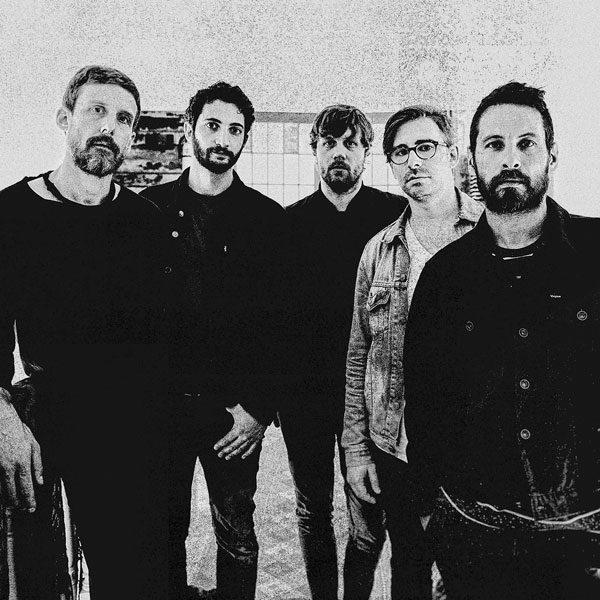
In March of 2016, Sam Roberts Band holed themselves up at the Bathouse, The Tragically Hip's studio near Kingston, Ontario to record their sixth full- length album, TerraForm. They went in with the lake still covered by ice and emerged 4 weeks later, in the first days of spring, bearing with them new music… In co-producer Graham Walsh of H*ly F*ck, the band found not just a kindred spirit, but someone willing to lead them away from well-trodden paths and into new, uncertain terrain: "Graham always pushed the sonic elements of the songs to the limit…tweaking sounds until they contributed more than just the sum of their parts…using sound to create emotion in the same way that words and melody can," says SRB frontman and songwriter, Sam Roberts. "Not to mention that he was forced to live under the same roof as us and lived to tell the tale!"
The album takes flight with the title track TerraForm, a story of escape from the ashes of a dying world. “Terraforming is the idea of going to another planet and making it viable for humans. For this record, I saw it as planting the seeds for that same sort of renewal in your own life – that regardless of how much you have broken the parts of your life along the way, there is always a chance to start over… for yourself and the people you care about” says Roberts. "Most of these songs are love songs, but love songs that grapple with it's many faces - beautiful and ugly, healing and destructive."
FIEND looks back through the years, identifying LOVE as the one constant that binds us, while Black Spark shine's light on the cryptic, shadowy web that love can weave in both heart and mind. Tourist Trap takes on a cosmic love triangle between constellations, just as the House Inside holds up an unclouded mirror to the daily reality of making a family work. "It's about never giving up on your family, no matter what life throws at you or whatever paths, destructive or not, you choose to walk as an individual - you have to recognize that it all comes back to the people you’re sharing your life with,” Roberts says.
If the TerraForm story begins in the dust and ashes and the quest for a new home, the lead single If You Want It speaks to the self-destructive forces that helped drive us towards calamity. "The protagonist of the song, compelled by greed and driven to crime, embarks on a trip to hell…and hopefully back again," says Roberts. In Roll With The Spirits, we are duped by the soothing promises of a Snake-Oil peddler, selling happiness by the pound…Things break down, then they crack. The album closes with Spring Fever and the sounds of life bubbling back to the surface. We've come full-circle, we have a chance to do it all over again. In the chorus Roberts sings "We're on our way… Don't know where we're going but we're here today." An acknowledgement that the future is a web of unknown possibilities but that we have the gift of being alive right now!